Choosing the Right Metal Table Base for a Wood Dining Table
Types of Metal Bases Suitable for Wood Tops
When picking a metal table base for dining table use, you need to find a good mix of looks, strength to hold weight, and practical features. One top choice is the round cast iron table base. People like it for its solid support and classic style. Such bases give a firm bottom. They suit round or square wooden tabletops well.
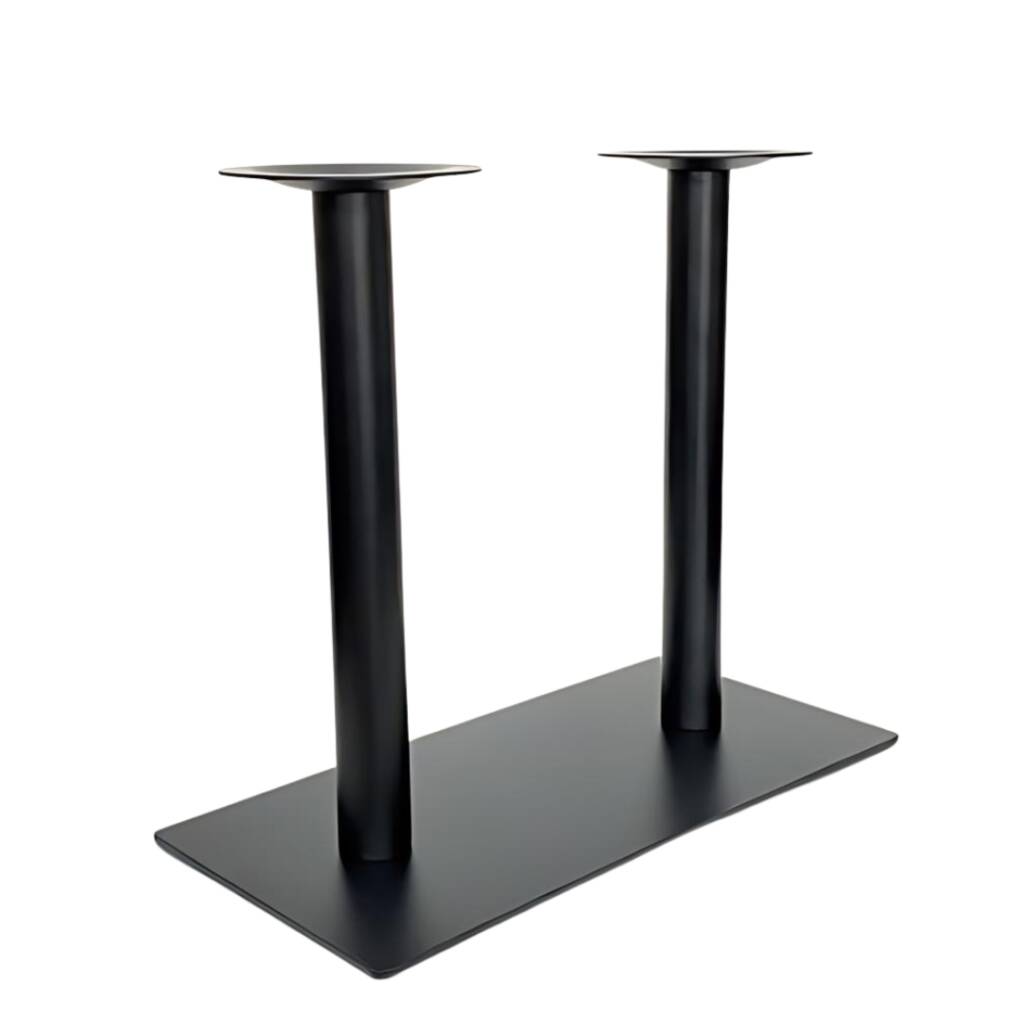
Another fine pick is the metal pedestal dining table base. Bases like our OM17R and OM22R Ornamental Bases provide support from the center. This setup offers more space for legs. It also gives a neater look than bases with many legs. These work great in small dining areas. They fit well in busy spots like restaurants, too. There, comfort and easy access matter a lot.
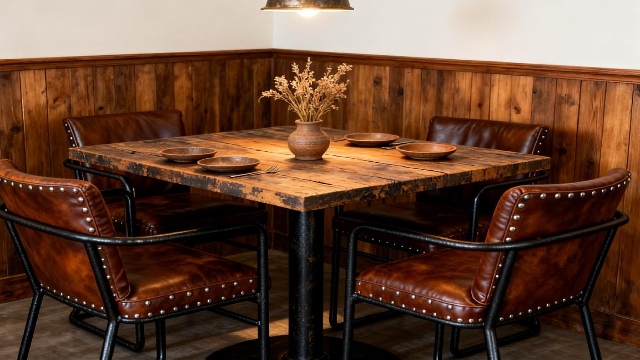
Matching the tabletop to the base is key. Think about the wood’s thickness, size, and total weight. A thick hardwood top needs a sturdy base. Options like cast iron or steel fit that bill. Plus, blend the styles. For example, a rough reclaimed wood top pairs nicely with a fancy iron base. This mix brings a cozy, old-time feel.
Assessing Tabletop Requirements Before Installation
Before you put on any metal table base for dining table use, check the wood top’s build. Make sure it is thick enough, usually 1” or more. That way, it can hold screws or bolts tightly. If the top is softwood or man-made wood, you might add extra supports.
Then, figure out the center point for balance. This matters a lot with a metal pedestal dining table base. An off-center weight can cause tipsiness. So, use the tabletop’s middle as your guide. Line it up right with the base’s center post.
At last, look at the bottom of the wood top for bends or bumps. A bumpy surface can mess up the flat fit between base and top. That might lead to shaking.
Preparing Materials and Tools for Attachment
Essential Tools for Securing a Metal Table Base
Putting metal legs or bases on a wood tabletop calls for careful tools. You need some basic ones at least. These include:
- Power drill with bits that work for wood
- Measuring tape
- Carpenter’s level
- Screwdriver or socket wrench
- Marking pencil or chalk
- Safety gear (gloves and eye protection)
Pick fasteners that match the base style and wood type. For tough round cast iron table base models like B22R or B30R, lag screws work well. Or try machine bolts with threaded inserts. They give a strong grip.
Go for stainless steel fasteners if the table goes outside or in damp spots. This stops rust from forming over time.
Prepping the Wood Surface for Mounting
Begin by wiping the bottom of the tabletop with a dry cloth. Get rid of dust and dirt. That stuff can block a good stick.
Next, set your chosen metal table base on the tabletop’s underside. Think of it as a guide. Mark spots to drill for exactness.
Drill holes at those spots ahead of time. This stops the wood from cracking when you add screws. It also makes sure the fasteners go in smoothly. No harm to the surfaces happens that way.
Attaching a Metal Pedestal Dining Table Base Securely
Positioning and Aligning the Base Correctly
Turn the tabletop upside down. Lay it on a soft blanket or foam to guard its finish. Put the metal pedestal dining table base in place. Use the measuring tape to check that it sits dead center. Do this for both the width and length of the top.
Grab a carpenter’s level. Check it in several ways to make sure it’s even. If it’s not level, the table might feel shaky when used.
Mark every hole for mounting with your pencil. Do this before you drill. Being spot-on here keeps screws from going crooked. That avoids weak spots in the build.
Securing With Screws or Bolts Based on Material Compatibility
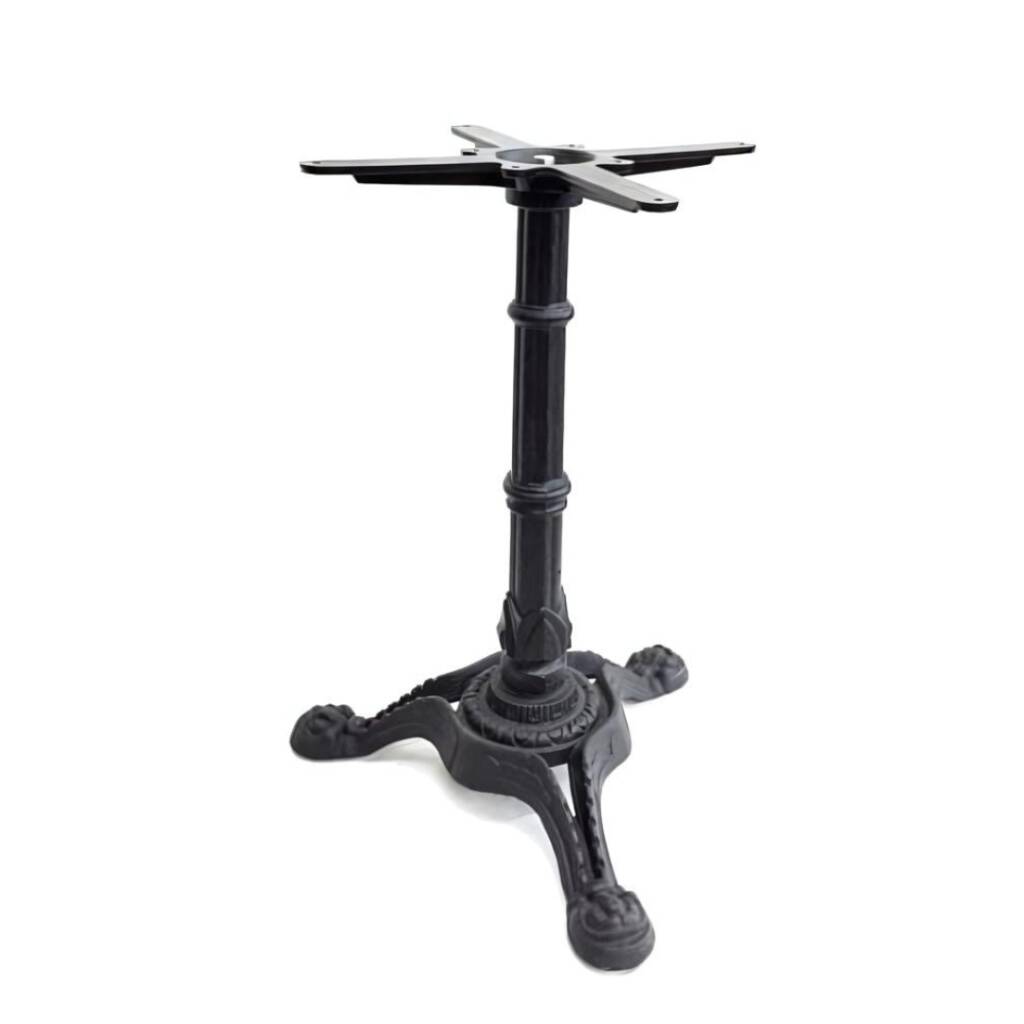
Pick screws or bolts based on your wood type and base choice. For instance, with an OM324 4-Prong Cast Iron Base, use lag screws for straight wood. Or go with machine bolts if you add threaded inserts.
Put in each screw loosely to start. Then tighten them bit by bit. Follow a cross pattern, like top-left to bottom-right, then top-right to bottom-left. This spreads the pull evenly over all spots.
Don’t tighten too hard. That can split wood parts or ruin threads in soft woods. It might even bend thin metal bits on light bases.
Reinforcing Stability for Long-Term Use
Adding Support Plates or Brackets if Necessary
If your wood top is extra big or heavy, add steel plates between the top and the metal base. These spread the weight around. They ease pressure on single screw spots.
For wide rectangle tables with T-bases like OM222, or double T-bases like Cast Iron Double T Base, add corner brackets. They boost the strength. This helps a lot in busy places like eateries. There, tables get moved often.
Evaluating Load Capacity After Installation
Once all is fixed, test how much weight the table holds. Push down slowly on different areas. This spots any soft points.
Look for shakes, mainly on bumpy floors. Bases like the STB522 Steel T Base come with 1.5” R-level glides. These let you tweak for true balance. If your base has no glides, use furniture pads or rubber feet. They fix small tilts.
Maintenance Tips to Preserve Structural Integrity
Preventing Moisture Damage at Connection Points
To make your wood-and-metal table last longer, guard against water. In wet spots like decks or beach houses, put silicone sealant near screw holes and metal joins. It stops rust and wood swelling.
Bases like OB2222 with black powder coating suit inside and outside. But in harsh spots, extra guard helps them.
Check these joints often, say every few months. Watch for rust near screws or any loose bits from weather shifts in dampness.
Periodic Tightening and Inspection Schedule
Like any busy furniture piece, your dining table needs care now and then. Set up a routine. Check all fasteners every 3 to 6 months for snugness.
Gently shake each leg or center post to test for play. If you feel any, tighten the screws with care. Don’t push too hard.
Also, watch for wear on both sides. Wood near screws can shrink over time. Metal can get tiny cracks from constant pressure. Fix these soon to avoid big breaks later.
If you’re looking for a reliable, high-quality metal table base for your wood dining table, look no further than Fly Goat. With a wide selection of sturdy, stylish metal bases, we ensure each product is crafted to provide optimal support, durability, and aesthetic appeal. Whether you need a robust cast iron base or a sleek pedestal design, Fly Goat offers the perfect solution for your needs. Explore our collection today to elevate the look and function of your dining space!
FAQs
1. What is the best type of metal table base for a heavy wood top?
A round cast iron table base, such as B30R with a 4″R column, is ideal because it offers maximum stability for large wood surfaces up to 48″ in diameter.
2. How do I keep my metal pedestal dining table base from wobbling?
Use leveling glides if available (like those found on STB522) or add rubber feet. Also ensure all screws are tightened evenly in a cross-pattern during installation.
3. Can I use any type of screw to attach metal legs to wood?
No, choose screws based on material compatibility. Use lag screws for direct wood mounting or machine bolts with inserts for added durability in softwood tables.
4. Is sealant necessary when attaching metal legs in humid environments?
Yes, applying silicone sealant around screw holes helps prevent rusting and moisture intrusion, which could loosen joints over time.
5. How often should I inspect my dining table after installation?
Every 3–6 months, especially if used in commercial settings or exposed to changing humidity levels. Check fasteners and connection points regularly.