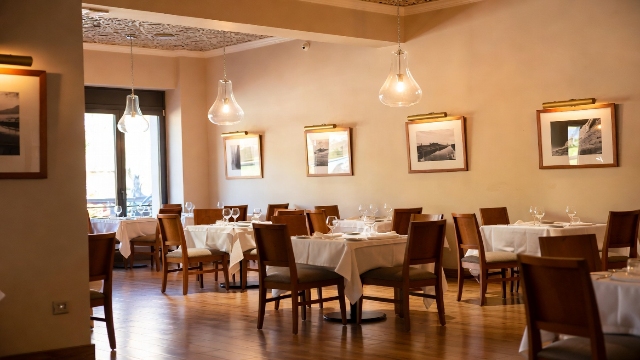
Picking the best support for a dining table goes beyond mere practicality. It serves as a smart spend on steadiness, endurance, and room style. If you chase the tough appeal of factory-style looks, metal table bases deliver a fine mix of solid power and fresh polish. Whether you run a business hunting for a commercial table base wholesaler or fix up your home with a hands-on creation, knowing the fine points of fabric, load limits, and style matters a lot.
The Rise of Industrial Metal in Modern Furniture Design
The factory furniture trend started from turning old plants and storage buildings into homes. It has turned metal table bases into a key part of home and work settings. Their draw comes from straightforward building. Wood legs from the past often look bulkier. Metal bases, however, give a thinner shape with better load support.
For experts and hobbyists, locating a restaurant table base supplier that grasps the demands of crowded spots is vital. Top-notch metal bases, usually made from cast iron or steel, make sure your commercial Restaurant Tischbasis endure the constant flow of a lively cafe. They avoid shaking or breaking down as time passes.
Types of Industrial Metal Table Bases
When you search for a custom metal dining table base, the range of setups lets you explore ideas fully. The form and scale of your top decide the base type. Different designs bring different amounts of backing and space for legs.
T-Bases and Two-Prong Designs
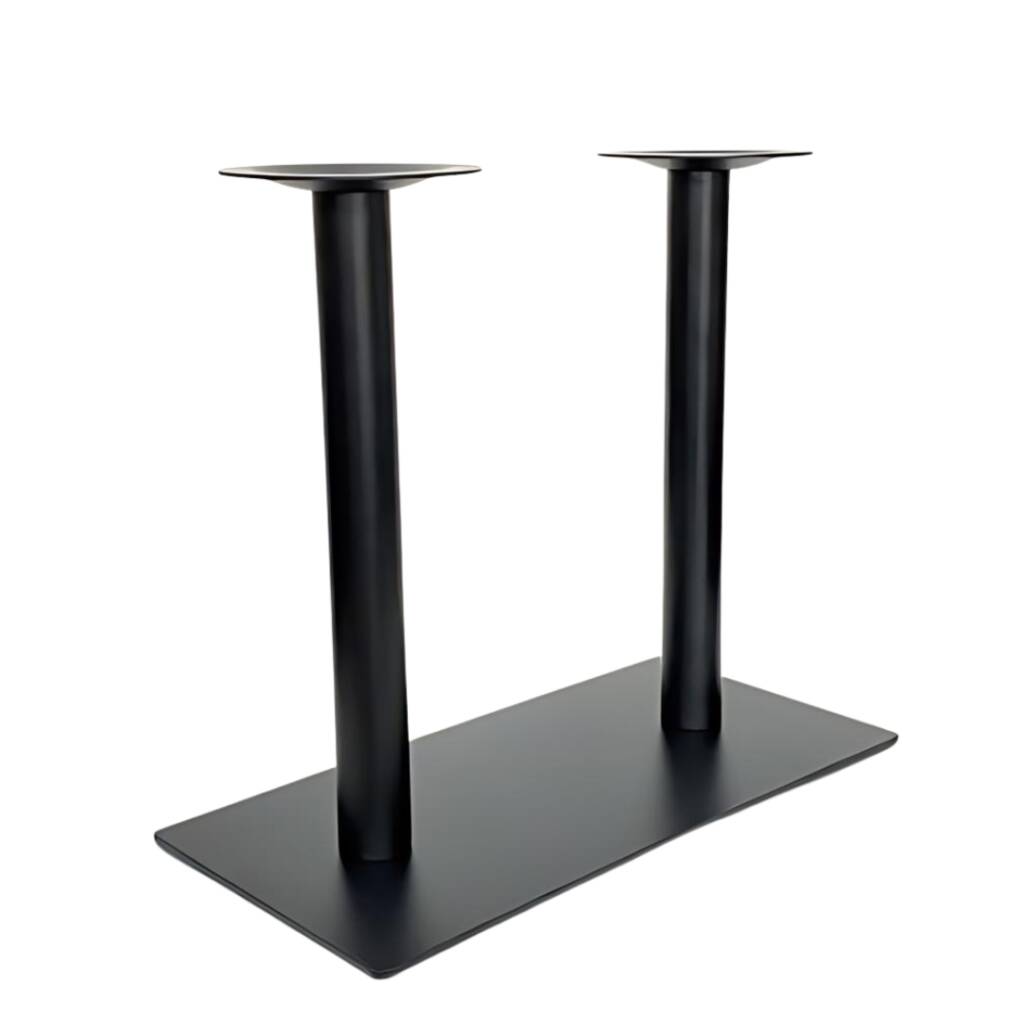
T-bases fit long, straight tables well. People often pair them up. They give a strong balance for stretched tops. At the same time, they leave plenty of room for people seated on the edges. For example, two sturdy cast iron T-bases suit table measures from 30″x48″ to 30″x72″.
Cross and X-Bases
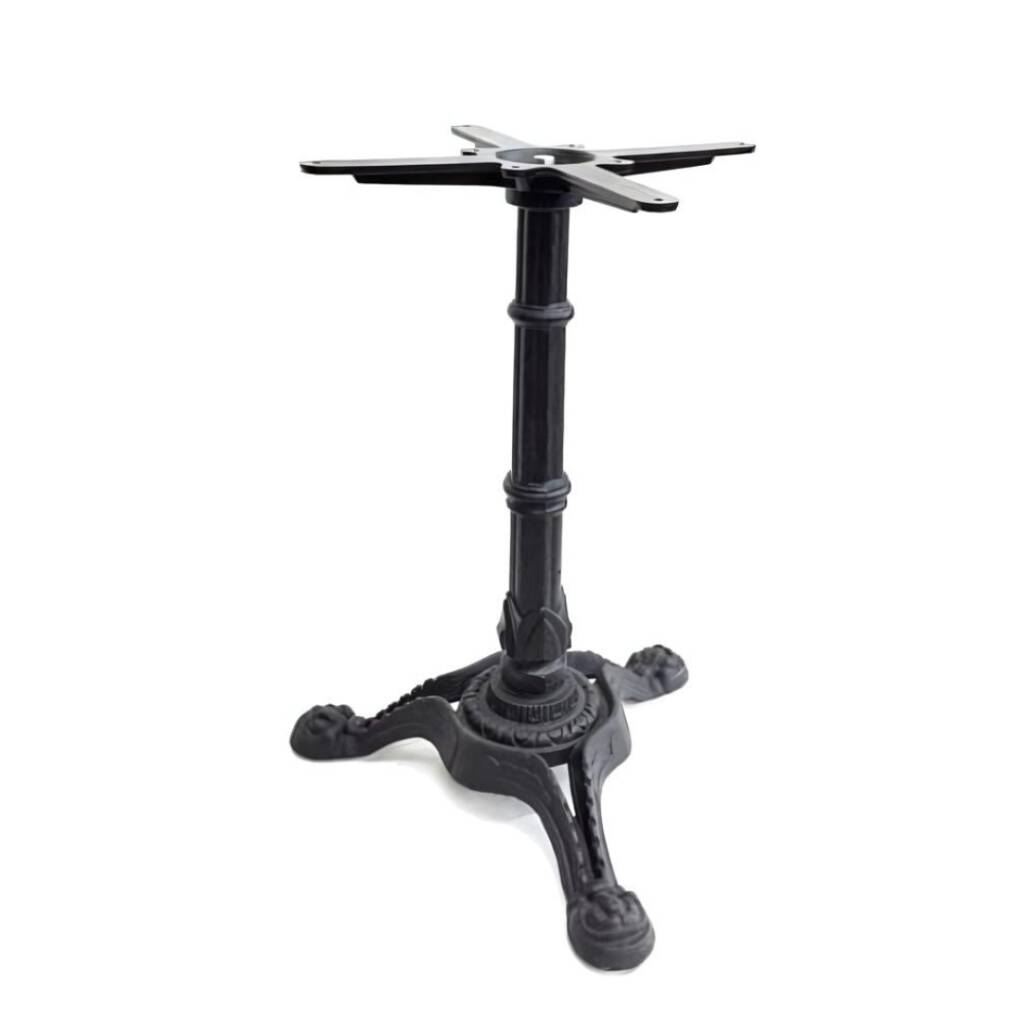
The standard cross base works for square or circle tables. It often has 4-prong or 3-prong shapes. These bases hold the table’s load in the middle. That makes them great for small coffee spots or morning areas.
Round and Bolt-Down Bases
Round steel or cast iron bases create a neat, basic appearance. They have a tidy base area. In busy work areas, where pieces stay put, bolt-down bases offer top safety. They fix right to the ground.
Material Excellence: Cast Iron vs. Steel
Deciding between cast iron and steel ranks as a key step when getting custom metal table bases. Each fabric brings clear benefits based on the planned spot and setting.
Heavy-Duty Cast Iron
Cast iron stands out for its great bulk and decorative options. Since it gets shaped by pouring, it shows detailed patterns. Those fit old-style cafes or retro factory vibes.
Weight: Naturally heavy, providing a low center of gravity.
Durability: Highly resistant to wear, though it can be more brittle than steel if subjected to extreme impact.
Advanced Steel Bases
Current steel bases appeal to folks wanting a commercial table for sale with an even surface and shiny look.
Durability: Steel is known for being strong and reliable, with a resilience that prevents the breaking sometimes seen in cast iron bases.
Outdoor Use: Many steel bases come with a black powder coating specifically designed for outdoor durability (excluding chrome finishes).
| Eigenschaften | Gusseisenbasen | Stahlbasen |
| Common Use | Indoor/Traditional | Indoor/Outdoor/Modern |
| Gewicht | Very Heavy | Moderate to Heavy |
| Finish Options | Ornamental/Textured | Smooth/Powder Coated |
| Versammlung | Standard | Three-screw easy assembly |
Customization and Specialty Sizes
For special jobs like a custom metal coffee table base, usual dining levels fall short. Factory providers such as Fliegen Ziege offer diverse height and span choices. This helps the base fit the goal of the work.
Bar Height vs. Dining Height
Regular dining height hovers near 28 inches. Yet plenty of factory bases come in Bar Height at 40″H. This proves key for gathering areas, bar spots, or counter islands.
Table Size Recommendations
Pairing the base with the top takes careful thought. A base too narrow leads to an unsteady table. One too broad gets in the way of chairs.
Small Tables (24″R to 30″R): A 3-prong base like the OM223 is ideal.
Large Round Tables (48″R): Requires a heavy-duty 4″R column base, such as the B3636 or OM324.
Extra Large Tables (60″R or 36″x96″): Double T-bases or oversized 40″x40″ cross bases are necessary for structural integrity.
Why Choose a Trusted Global Supplier?
When you get a commercial restaurant table base, the strength of the supply network counts as much as the fabric. Firms like Fly Goat Inc. offer more than 15 years of field knowledge. They make sure the pieces reach commercial-grade levels. That means they handle the everyday bustle of work settings.
Strategic Logistics and Support
Teaming with a provider that keeps several storage sites helps. Fly Goat has five key spots, for one. This speeds up big shipments to customers. It avoids holdups in cafe launches or house updates. Also, a solid provider gives full post-purchase help and coverage insurance. This lets buyers rest easy about their spending.
Häufig gestellte Fragen
How do I know which base size I need for my custom tabletop?
The size of the base should generally be at least 50-70% of the width of the tabletop to ensure stability. For example, a 30″x30″ table typically requires a 22″x22″ cross base. Always check the manufacturer’s recommended table size guide before purchasing.
Can I use these metal table bases for an outdoor patio?
Yes, but you must choose the correct finish. Look for steel or cast iron bases with a specific black powder coating designed for outdoor use. Avoid chrome-finished steel for outdoors as they may not provide the same weather resistance.
What is the advantage of a three-screw assembly design?
Modern steel bases often utilize a three-screw design that simplifies the assembly process. More importantly, this design prevents the column from loosening over time, which is a common issue with cheaper, single-bolt furniture.
Are these bases suitable for heavy stone or quartz tops?
Industrial metal bases, especially heavy-duty cast iron, are designed to support significant weight. For heavy tops like granite or thick oak, ensure you select a base with a 4″R column and a wide footprint (like the B3636) to prevent top-heaviness.
Can I customize the upholstery or look of my chairs to match the bases?
Most professional suppliers offer custom upholstery options and various frame finishes (like wood grain metal, pewter, or espresso) to ensure your seating perfectly complements your industrial table bases.