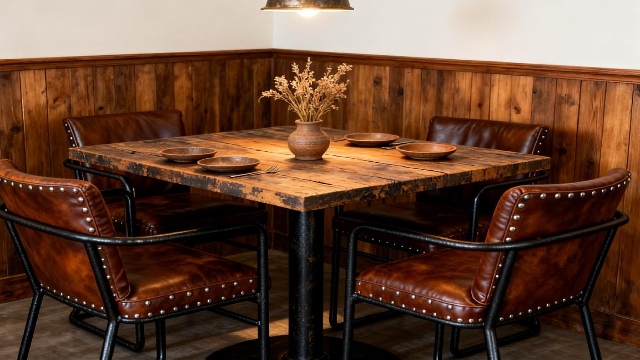
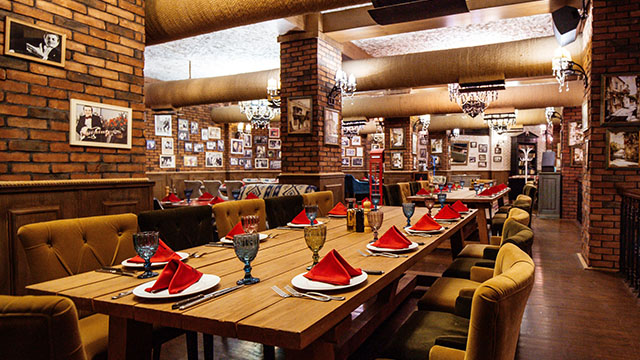
In the busy world of hospitality, the base of a guest’s experience really begins at the floor. Tabletop often grabs the first glance. Yet, the commercial restaurant table bases that hold them up are the quiet stars of smooth operations. In crowded dining spots, where tables get shifted, wiped down, and pushed against many times each day, picking the wrong base can cause dangers, endless fixes, and harm to your business image from that annoying “wobbly table syndrome.” Selecting proper heavy-duty table bases goes beyond style. It is a smart choice for lasting steadiness and protection.
What Defines a Commercial Restaurant Table Base?
Home furniture suits easy use. But commercial table bases for restaurants face much tougher rules for holding weight and staying strong. A commercial-grade base handles steady pressure. It supports various heavy items like thick granite or solid wood.
Unlike home pieces, commercial table bases use strong welds and sturdier posts. This keeps them from bending or breaking when someone leans on them. At Fly Goat Inc., we craft these items with more than 15 years of know-how in the field. They match the strict needs of North American and European hospitality rules.
Key Factors to Consider for High-Traffic Areas
Stability and Weight Distribution
The link between the base’s footprint and the tabletop size matters most. It stops tipping. A base too narrow for its top raises the center of gravity. That poses a big safety issue in lively dining rooms. For example, big tables need special setups.
Single bases work well for usual square or round tops.
Double bases, or T-Bases, fit long rectangular tables. Take a 30″x72″ one, for instance. They offer even support at each end.
Material Selection for Durability
Various materials bring unique benefits. It depends on the setting.
Cast Iron Table Bases stand out for their tough build and timeless style. Cast iron is the top pick for steadiness. Its great weight does the trick.
Steel Table Bases provide solid resistance to knocks. Top steel bases suit fresh designs. They stay strong and dependable. Unlike some weaker cast irons, they avoid easy cracks.
Chrome-Finished Bases fit best inside. They give a shiny, up-to-date vibe. This finish fights scratches well.
Base Design and Shape
The base’s form should boost both steadiness and guest ease.
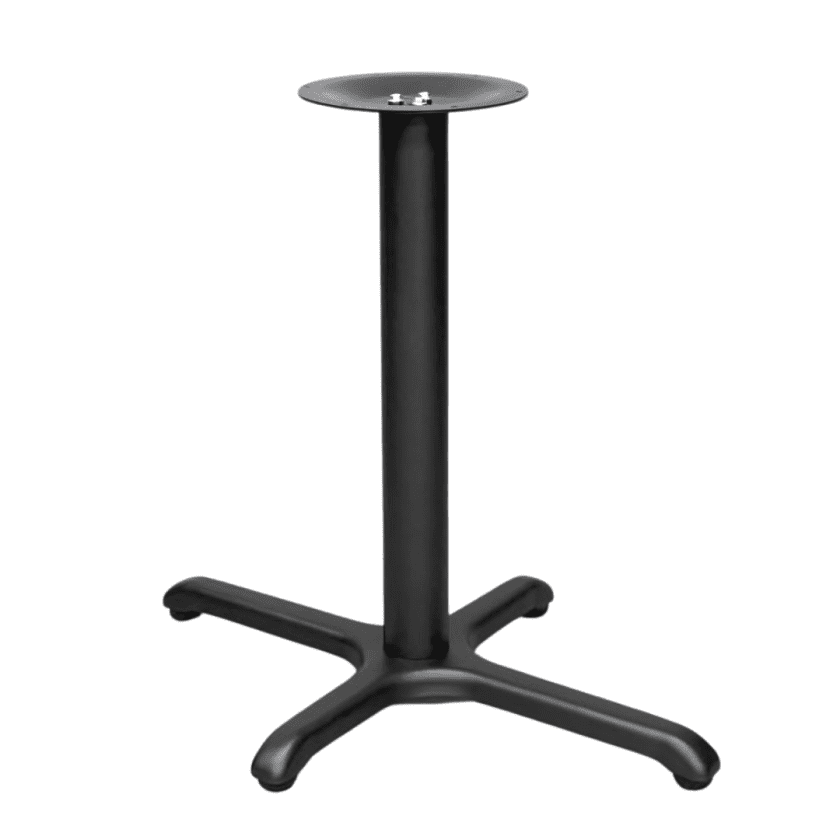
Cross Bases deliver a fine four-point balance. They suit most square tops flexibly.
Round Bases create a neat appearance. People often pick them for round tables. This avoids guests stumbling over sticking-out parts.
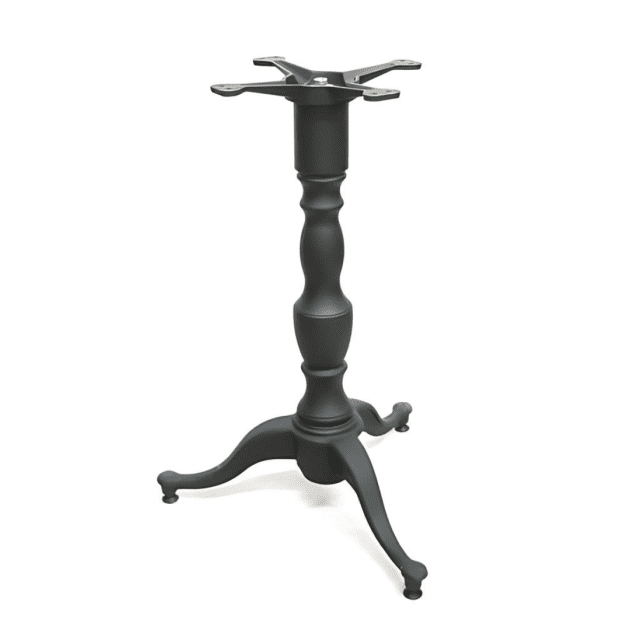
Prong Bases, like 3-Prong or 4-Prong, get chosen for their pretty design. At the same time, they keep a solid hold on the ground.
Choosing the Right Table Base by Dining Space Type
Restaurants and High-Turnover Dining Rooms
In places with lots of guest changes, toughness comes first. We suggest sturdy cast iron or beefed-up steel. This stops the base from coming loose as time passes. Fly Goat uses a smart three-screw setup in its steel bases. It makes starting up simple. Plus, it keeps the post from shaking even after long use.
Cafés and Casual Dining Spaces
Cafés usually deal with tight spaces. So, they need small bases that do not block chair spots or the leg area for customers. Short decorative bases or thin-post steel ones allow easy chair arrangements. They still provide enough heft to hold the table steady.
Bar and Counter-Height Applications
For raised seating, regular 28″ heights fall short. Most commercial restaurant table bases come in 40″ Bar Height. On bar-height tables, the balance point sits higher. Thus, pick a base with a broader base or a heavier foot plate. This keeps it firmly in place.
Indoor vs. Outdoor Use Considerations
Resistance to weather plays a key role in patio or combined areas. Basic indoor bases can rust or wear out fast in damp conditions.
Powder Coating works great outside. A black powder coating stands as the best option. It forms a tough shield against the weather.
· Adjustable Stability helps too. Outdoor floors like stone paths or bumpy concrete need adjustable level glides. Quality cross bases usually have 1.5″ R-level glides. They ensure a steady, even stand on rough ground.
Matching Table Bases with Table Tops
To help with your pick, check this guide. It follows common industry tips for table bases for restaurants.
| Base Type | Recommended Table Top Size | Column Diameter | Best Use Case |
| B2222 Cross | 24″x24″ to 30″x30″ | 3″ | Small Cafes/Bistros |
| B3030 Cross | 36″x36″ to 42″R | 3″ | Standard Dining |
| B17R Round | 24″R to 30″R | 3″ | Circular Cafe Tables |
| B30R Round | 48″R | 4″ | Large Group Dining |
| B522 T-Base | 30″x48″ to 30″x72″ (requires 2) | 3″ | Rectangular Booths |
| OM324 4-Prong | Up to 48″R | 4″ | Heavy Ornamental Wood |
Ease of Assembly and Long-Term Maintenance
In big hospitality jobs, setup time affects worker expenses a lot. Fly Goat uses a three-screw method. This avoids the usual problem of the base turning or getting loose from the post. Also, bases with a sleek, smooth surface clean up easily. They stop dirt and food bits from sticking.
Customization and Project-Based Solutions
Standard sizes handle about 90% of cases. But special building plans might call for tailored options. This could mean fitting a certain fabric or blending metal frames with wood tops in a fresh way. Customization lets a restaurant build its own look. Partnering with a maker that has wide tailoring choices ensures the furniture fits the place’s style and feel perfectly.
Why the Right Supplier Matters
Picking contract table bases involves more than the item itself. It is about the team that delivers it. A skilled provider offers several perks.
ISO-Certified Quality means each lot hits global safety and toughness benchmarks.
Global Logistics helps with quick big orders. Multiple storage spots allow fast delivery. This matters for tight timelines in rebuilds or new openings.
Proven Expertise from over 15 years in the business leads to better tips. They guide you on the best base for your tabletop type.
Conclusion
The strength and balance of your dining area rely on the caliber of your commercial restaurant table bases. Think about the material, how weight spreads, and your space’s exact demands. This applies whether inside or out. In the end, you create a secure and cozy spot for visitors. Spending on fine, heavy-duty table bases cuts future swap costs. It also keeps your spot looking sharp and pro.
FAQ
1. How do I know if I need a cast-iron or a steel table base?
Cast iron tends to weigh more. It gives a classic feel. This makes it great for big, hefty tabletops. Steel bases resist hits well. They often have clever setup features. These stop loosening in busy spots.
2. Which base is best for a long rectangular table?
For rectangular tables over 42 inches, like 30″x72″, use two T-Bases. They are also called End Bases. This setup ensures balance on both sides. It prevents tipping.
3. Can I use the same table base for both indoor and outdoor seating?
Only if it is made for the outside. Seek bases with “Black Powder Coating.” They fight rust and weather harm. Chrome finishes mostly stay indoors.
4. How do I prevent my restaurant tables from wobbling on uneven floors?
Go for table bases with adjustable level glides. For example, many heavy-duty cross bases have 1.5″ R-level glides. You can tweak them by hand to level on bumpy floors.
5. What is the standard height for bar-height table bases?
The usual commercial height for bars is 40″H. It pairs nicely with standard bar stools. This offers a comfy high-up meal.