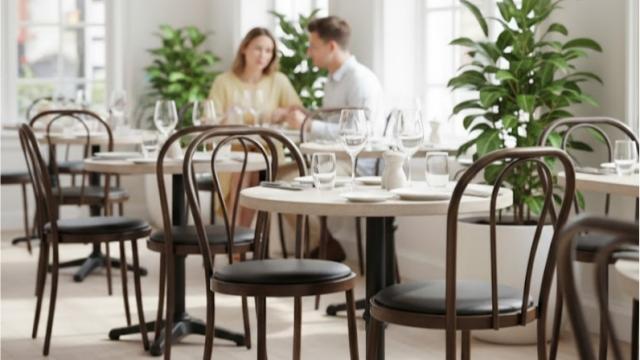
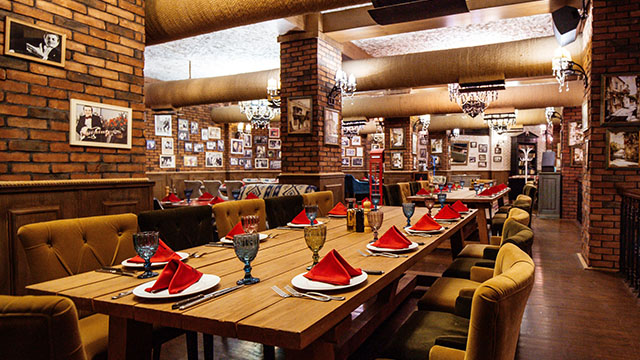
Selecting the proper mix of table tops and bases often gets ignored, but it is a key choice in restaurant setup. The finest quality restaurant table tops might not hold up during busy shifts if matched with the wrong base. Shaky tables, early wear on surfaces, and unsteady seating arrangements all stem from bad pairing decisions. For owners buying strong restaurant table tops and bases, grasping how build, material, load, and attachment methods interact is vital.
This guide shows how to pair commercial table tops and bases properly for lasting results. It uses actual product details, hotel design rules, and factory knowledge from Fly Goat Inc.
Why Compatibility Matters in Restaurant Tables
In busy spots, tables face much tougher use than home pieces. Staff shift them often. Guests lean on them. Spills hit them. Cleaning happens several times each day. Pairing affects three main work areas.
Structural Stability
The base needs to spread the table top’s weight in a balanced way. A big top on a small base raises the chance of tipping. This risk grows in crowded paths.
Surface Longevity
Wrong support causes bending. That speeds up breaks in real wood. It also leads to layers coming apart in the laminate. Joints near attachment spots fail faster too.
Guest Comfort and Layout Efficiency
The base’s form shapes space for legs. It affects how chairs fit. It impacts path widths as well. A nice-looking table that cramps seating will slow down guest changes.
Understanding Commercial Table Top Materials
Table tops do not all act alike when fixed in place. Picking materials shapes the base’s scale, post width, and fixing parts.
Laminate Table Tops for Restaurants
Laminate remains the top choice in eating spots for its toughness and low price. High-pressure laminate tops handle water, marks, and warmth from plates well. Their inner parts are usually made of particleboard or MDF. So, they need a wide plate touch for a steady weight spread. Cross bases, T-bases, and round pedestal bases with big top plates fit best.
Solid Wood and Birchwood Table Options
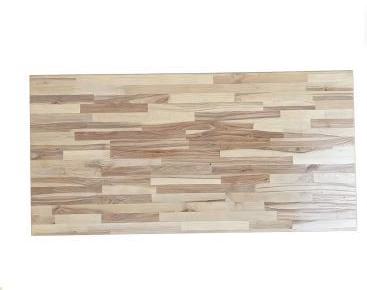
Fly Goat Inc.’s birchwood tables offer a superior mix of structural strength and aesthetic appeal, outperforming softer woods like pine in high-traffic environments. Birch beats pine in density. It stays steadier than most softwoods. Thus, it works for relaxed meals and coffee shops. Still, real wood swells and shrinks with moisture levels. Bases should permit some shift. They use slots in mounting holes instead of fixed bolts. This stops twisting.
Engineered and Specialty Tops
Marble, quartz, and thick real wood tops need sturdy cast iron or strong steel bases. These heavy items call for broader stands and stouter posts. That keeps the balance under focused pressure.
Choosing the Right Table Base Type
The base forms the solid core of the table setup. Picking the right shape matters as much as the right build material.
Cross and X Bases
Cross bases give a strong side-to-side hold. They pair well with square and rectangular tops. Weight spreads out evenly. They suit medium to big table scales.
T-Bases
T-bases work well for rectangular tables, bench seats, and group areas. Many setups use two T-bases for long tops. This keeps things even.
Round Pedestal Bases
Round bases suit coffee shops and small eateries. They offer a solid footing for round and square tops if scaled right. Chairs move easily around them.
Prong and Ornamental Bases
Fancy prong bases boost style. But pair them carefully with top size. Bases with four prongs hold bigger tops. Ones with two or three prongs fit small setups.
Matching Table Top Size to Base Dimensions
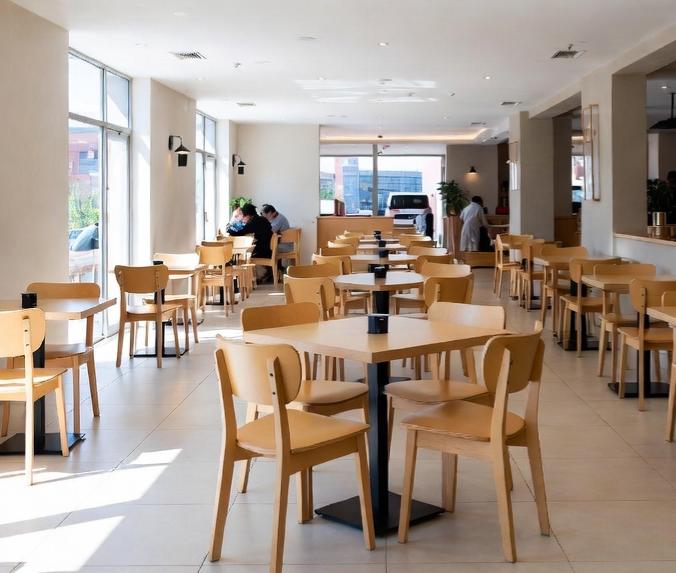
Right scaling is the top mismatch problem in restaurant tables and bases. The chart below lists common business rules.
| Table Top Size | Recommended Base Type | Notes |
| 24″ × 24″ / 24″ Round | Small round or cross base | Ideal for cafés and tight spaces |
| 30″ × 30″ / 30″ Round | Medium cross or 3-prong base | Balanced for two to four seats |
| 36″ × 36″ / 36″ Round | Heavy-duty cross or 4-prong base | Requires wider footprint |
| 30″ × 60″ and above | Dual T-bases or double pedestal | Prevents center sag and tipping |
These rules match the advice from makers of commercial table tops and bases for busy places.
Weight, Balance, and Material Compatibility
Cast Iron vs Steel Bases
Cast iron bases stand out for their heft and shake reduction. They fit lively dining areas where steady footing counts. Steel bases, especially those with powder coats, give great power per pound. People pick them for outside or salty air spots because they fight rust well.
Column Diameter and Load Capacity
Bigger tops need wider posts to avoid bending. A 4-inch post resists twists much better than a 3-inch one. This holds true for round tops larger than 36 inches.
Finish and Environment
Inside spots let you use fancier coatings. Outside or half-outside eateries gain from powder-coated steel or handled cast iron bases. These stand up to dampness and weather shifts.
Mounting Systems and Hardware Considerations
Pairing goes beyond size. The link between top and base sets how well it lasts.
Mounting Plates
Plates that fully cut down on pressure spots. They help laminate and wood insides last longer.
Fasteners
Business setups rely on machine screws and threaded inserts. They beat plain wood screws. This setup lets you take things apart without harming the top.
Levelers and Glides
Good commercial bases come with adjustable levelers. They fix uneven floors. That stops wobbling, which wears joints quicker.
Customization and Mixed Material Solutions
Today’s eateries blend materials more for unique styles. Metal bases with wood or laminate tops appear in rough and modern looks. Providers with custom options let owners blend coatings, post heights, and fixing setups. This fits the brand style. At the same time, it keeps a solid pairing.
Practical Applications in Real Restaurants
Winning table setups weigh style, toughness, and daily flow. Quick eateries often pick laminate tops with steel bases for simple care. High-end spots might go for birch or real wood tops with fancy cast iron bases for eye-catching. Patio areas stress rust-proof coatings and solid bases. These handle breezes and bumpy ground.
Final Thoughts
Spending on matched restaurant table tops and bases goes beyond looks. It shapes guest ease, safety, and upkeep costs over time. By learning material traits, base forms, and fixing methods, owners can create table setups that work well for years. Whether you choose Fly Goat Inc. table base or a birchwood surface for a premium feel, expert pairing is the foundation of long-lasting commercial furniture.
FAQs: Restaurant Table Tops & Base Compatibility
Can any base support a birchwood table top?
No. Birchwood tops require bases with sufficient weight and slotted mounting systems to allow for natural wood movement.
Are commercial table tops and bases sold separately compatible by default?
Not always. Compatibility depends on mounting plate size, column strength, and weight distribution.
How do I choose the best restaurant table top for high turnover dining?
Laminate table tops for restaurants paired with steel or cast iron bases offer the best performance under frequent use.
When should I use dual bases instead of one?
Rectangular tops longer than 60 inches should use dual T-bases or double pedestal bases to prevent sagging and instability.